


✕
“Explore our News section for the latest updates, industry insights, and service highlights, keeping you informed on trends and innovations in the world of fashion and related services.”
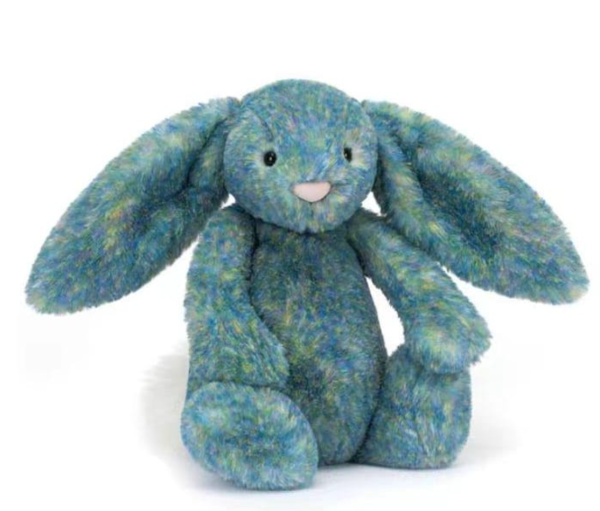
This Plush Toy Collecting Guide explains how to begin a collection, compare different styles, assess quality and care for plush toys over time. A collection does not need to include rare or expensive pieces. Instead, it can reflect the colours, animals, characters or designs that you genuinely enjoy.
Some people collect plush toys for decoration, while others choose them as keepsakes, gifts or reminders of important occasions. Whatever your reason for collecting, a clear theme and a little planning can help you build a collection that feels personal rather than random.
The easiest way to begin is to decide what interests you most. You might prefer soft animals, fantasy creatures, seasonal designs, miniature plush toys or larger statement pieces. Choosing a general theme gives your collection a sense of consistency and makes future buying decisions easier.
You do not need to follow strict rules. However, it helps to consider:
Start with a small number of pieces that you genuinely like. You can then develop the collection gradually as you discover which styles suit your space and preferences.
Appearance matters, but construction and finish are equally important. Before choosing a plush toy, look closely at the stitching, fabric, shape and smaller details.
A well-finished plush toy should generally have:
Product photographs can help you compare proportions and details. However, always check the listed measurements because plush toys can appear larger or smaller in photographs than they are in person.
Plush toys can use a range of materials and textures. Some have short, smooth fabric, while others feature longer fibres, fluffy finishes or contrasting materials on the ears, paws and face.
The best option depends on how the piece will be used. Softer, flexible designs can suit cuddling and relaxed display arrangements. More structured designs may sit more easily on shelves or in cabinets.
Check seams around the arms, legs, ears and other joined areas. These sections often experience the most movement. Neat stitching and secure construction help the toy retain its shape during normal handling.
For gifts intended for young children, always review the individual product information and any applicable age guidance. Small decorative parts may not suit every age group.
A theme can make a plush collection more visually interesting and easier to organise. It can also prevent you from buying items simply because they are available.
Possible collection themes include:
You can also build a collection around a room or colour scheme. For example, neutral shades may suit a calm bedroom display, while bright colours can create a more playful arrangement.
Size is one of the most important considerations when buying online. A collection made entirely from large plush toys can quickly require more space than expected. Conversely, very small pieces may become difficult to display individually.
A mixture of sizes often creates the most balanced arrangement. Larger plush toys can form the main focal points, while smaller pieces fill gaps and add variety.
Before ordering, compare the stated height and width with an object already in your home. This simple step gives you a more accurate understanding of the actual scale.
Plush toys can be displayed on open shelving, in glass cabinets, on benches or within dedicated storage units. The right method depends on the size of the collection and how often you want to handle the pieces.
For a tidy display:
Keep plush toys away from damp areas, strong direct sunlight and sources of heat. Sunlight can gradually affect some colours, while damp conditions can create unwanted odours or damage.
Regular light care can help a collection remain clean and presentable. Use a soft lint roller or a clean, dry cloth to remove surface dust. A low-powered handheld vacuum with a suitable attachment may also help, but use it carefully around delicate features.
Always check the product care instructions before washing a plush toy. Some products may allow gentle surface cleaning, while others may have removable components or materials that require more specific care.
If surface cleaning is permitted, use only a small amount of mild cleaning solution and avoid soaking the filling. Allow the toy to dry fully in a well-ventilated area before returning it to storage or display.
Plush toys can make thoughtful gifts for birthdays, celebrations and personal milestones. They can also work well as comforting keepsakes because the recipient can display or keep them for many years.
When choosing a gift, consider the recipient’s favourite animal, preferred colours and available space. A compact plush toy may suit a desk, shelf or smaller room, while a larger design can create more of a statement.
For younger recipients, check product suitability and age guidance before purchasing. For adult collectors, focus more on the design, finish, size and how well the piece complements an existing collection.
This Plush Toy Collecting Guide recommends taking a selective approach rather than buying every available design. A smaller collection of carefully chosen pieces will often look more considered and be easier to maintain.
Common mistakes include:
Plush toys should primarily be chosen because you enjoy their appearance, character or sentimental meaning. Future resale value is uncertain and should not be the main reason for starting a collection.
Eliteboutique offers a changing selection of plush animals, fantasy creatures, seasonal designs and gift-ready pieces in different sizes and colours.
Browse our Collector Plush Toys Ireland collection to view currently available styles and find pieces suitable for collections, displays and gifts.
Availability can change as new designs are added. Product pages include individual measurements and relevant details to help you compare options before ordering.
A successful plush toy collection should reflect your own preferences. Begin with a clear theme, check measurements carefully and pay attention to materials, stitching and overall finish.
Most importantly, build the collection gradually. Choosing pieces that have personal meaning will create a more enjoyable and distinctive display than simply collecting as many items as possible.